


When you think about protecting your family’s health, choosing the right insurance plan is one of the most important decisions you can make. With medical costs rising every year, a good family health insurance plan can save you from unexpected expenses and give you peace of mind.
But comparing family health insurance plans can feel confusing, especially with so many options and technical terms. If you want to understand the differences, know what to look for, and make a smart choice for your loved ones, this guide will walk you through everything you need to know—without the jargon.
Why Family Health Insurance Matters
A family health insurance plan covers medical expenses for more than one person—usually your spouse, children, and sometimes even parents. Instead of buying separate policies for each family member, you get a single plan that covers everyone under one umbrella.
This can make managing health care simpler and more affordable.
With the right plan, you can:
- Access regular check-ups and preventive care
- Cover hospital stays, surgeries, and emergencies
- Get help with prescription drugs, maternity care, and sometimes dental or vision needs
But not all plans are created equal. Some offer more benefits, while others come with lower premiums but higher out-of-pocket costs. Before you buy, you need to compare the details carefully.
Key Features To Compare In Family Health Insurance Plans
When you start comparing plans, you’ll notice several terms and options. Let’s break down the most important features:
1. Coverage Amount (sum Insured)
This is the maximum amount your insurance will pay for all family members in a year. For example, if your sum insured is $100,000, that’s the total coverage for everyone combined. Some plans offer a floater option, meaning the sum insured is shared, while others offer individual limits for each person.
2. Premium Cost
The premium is what you pay (monthly or yearly) to keep your plan active. Plans with higher coverage or more benefits usually cost more. But don’t just pick the cheapest plan—look at what’s actually covered.
3. Inclusions And Exclusions
Check what’s included, like:
- Hospitalization (room rent, ICU, surgery)
- Daycare treatments (procedures that don’t require long hospital stays)
- Pre- and post-hospitalization expenses
Exclusions are things the policy doesn’t cover, such as:
- Certain diseases during the first year
- Cosmetic treatments
- Pre-existing conditions for a set waiting period
4. Network Hospitals
Insurance companies have a list of network hospitals where you can get cashless treatment. A large network means more choices and faster help in emergencies.
5. Waiting Periods
Some conditions (like maternity or pre-existing illnesses) have a waiting period before coverage starts. This can range from 1 to 4 years, so check the details.
6. Sub-limits And Co-payments
A sub-limit is a cap on how much you can claim for specific treatments (like room rent or surgery). Co-payment means you pay a part of the bill, and the insurer pays the rest. Plans with no sub-limits and low or no co-payments are usually better, but may cost more.
Comparing Popular Family Health Insurance Plan Types
Not all family health insurance plans work the same way. Here are the main types you’ll see:
| Plan Type | How It Works | Best For |
|---|---|---|
| Family Floater | One sum insured shared by all family members | Young families with healthy members |
| Individual Plans | Separate sum insured for each person, bundled together | Families with elderly or high-risk members |
| Group Plans | Usually provided by employers, covers employees and dependents | People with access to employer health benefits |
| Top-up/Super Top-up | Extra coverage once basic plan limit is crossed | Families wanting higher coverage at lower cost |
Most families choose a family floater for convenience and cost. But if you have older parents, separate individual plans might make sense since older people may use more of the coverage.
What To Look For When Comparing Plans
Making a comparison isn’t just about numbers—it’s about matching the plan to your family’s real needs. Here’s how to do it:
Assess Your Family’s Health Needs
Think about:
- Ages of all members
- Any chronic or pre-existing illnesses
- Plans for having children (for maternity cover)
- Special needs (like mental health, dental, or alternative treatments)
For example, if you have young kids, you’ll want good coverage for vaccinations and child illnesses. If your parents are included, check for coverage of age-related diseases.
Compare Premiums Vs Benefits
Sometimes, a plan with a slightly higher premium offers much more value. Look at what’s included: some plans may cover annual health check-ups, ambulance charges, or even wellness rewards.
Check The Cashless Hospital Network
A wide network means you can get treatment without paying upfront and then claiming later. In emergencies, this makes a big difference.
Understand The Claim Process
A fast, simple claim process saves stress. See if the insurer offers:
- 24/7 customer support
- Online claim tracking
- Simple documentation
Insurers with a high claim settlement ratio (the percent of claims paid out) are more reliable.
Watch For Sub-limits And Exclusions
Some plans hide costs with sub-limits (like only paying $500 per day for hospital room rent). Always read the fine print.

Sample Comparison: Three Leading Family Health Insurance Plans
To make things clearer, here’s a sample comparison of three popular family health insurance plans. This is just an example—actual details vary by provider and country.
| Feature | Plan A | Plan B | Plan C |
|---|---|---|---|
| Sum Insured | $100,000 (floater) | $75,000 (floater) | $50,000 (individual) |
| Premium (Annual) | $1,200 | $950 | $1,400 |
| Network Hospitals | 6,000+ | 4,500+ | 7,000+ |
| Room Rent Limit | No limit | $500/day | No limit |
| Maternity Cover | After 2-year waiting | No | After 4-year waiting |
| Co-payment | None | 10% | 20% for parents 60+ |
Notice how the plans differ not just in price, but in who and what they cover. Plan C, for example, has individual coverage—better for older families, but costs more.
Non-obvious Insights Most People Miss
Even careful buyers sometimes overlook these important points:
1. Restoration Benefits: Some plans automatically restore your sum insured if it gets used up in a year, at no extra cost. This is vital for families with more than one serious illness in a year.
2. No-Claim Bonus: If you don’t make any claims during a year, some plans increase your sum insured the next year, free of charge. Over time, this can boost your coverage a lot.
3. Portability: If you are not happy with your current plan, you often can switch insurers without losing benefits like waiting periods—this is called portability. Don’t feel locked in.
4. Free Health Check-ups: Some insurers offer annual health check-ups for all covered members, helping you catch health issues early.
Common Mistakes When Comparing Family Health Insurance
Many families make these errors:
- Focusing only on premium: Cheapest isn’t always best. Low premiums may mean low coverage or high out-of-pocket costs.
- Ignoring waiting periods: Maternity and pre-existing disease cover often have long waiting times.
- Not checking the fine print: Sub-limits, exclusions, and co-payments can make a big difference at claim time.
- Assuming all hospitals are covered: Not all hospitals are in-network. Check the list carefully, especially in your area.
- Not increasing coverage over time: Medical costs rise, so review your sum insured every few years.
How To Choose The Best Family Health Insurance Plan
When you’re ready to make a decision, follow these steps:
- List your family’s needs: Age, health, planned treatments.
- Set your budget: Know how much you can afford annually.
- Shortlist plans: Based on network hospitals, coverage, and benefits.
- Compare in detail: Look at sub-limits, exclusions, and waiting periods.
- Check reviews and claim settlement ratios: Reliable insurers handle claims smoothly.
- Ask for help if needed: Use an insurance advisor or online comparison tools.
Remember, the best plan is the one that fits your family’s situation—not just the one with the lowest premium or the most features.
Real-world Example: How Choosing The Right Plan Helped A Family
Consider the Sharma family. They chose a floater plan with a $100,000 sum insured for a low premium. When Mr. Sharma had a serious illness and his daughter needed surgery the same year, the plan’s restoration benefit automatically refilled their coverage limit.
They avoided a huge financial crisis, and the cashless claim process meant no delays at the hospital.
Many families overlook restoration and cashless options, but these features can make a big difference when you need them most.
When Should You Review Or Change Your Family Health Insurance?
It’s smart to review your plan every year, especially when:
- A new family member arrives (baby, marriage)
- A family member develops a chronic illness
- You move to a new city or country
- Your income or budget changes
Some insurers allow you to upgrade your sum insured or add benefits during renewal. Don’t wait until you need treatment—review your coverage every year.
Frequently Asked Questions
What Is The Difference Between A Family Floater And Individual Health Plans?
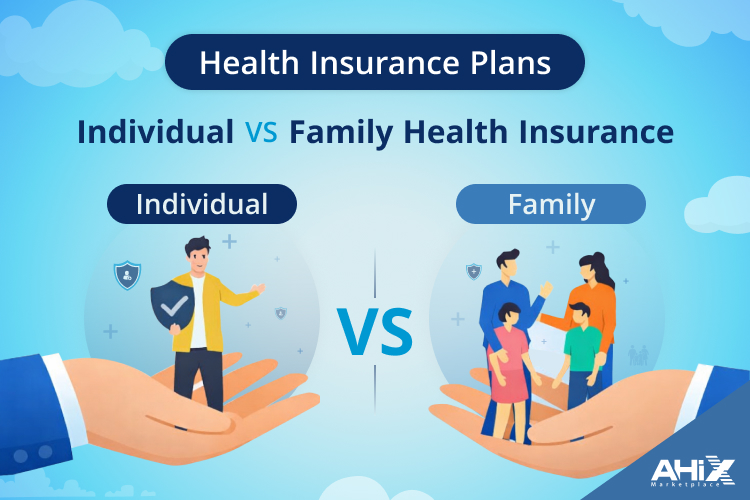
A family floater plan gives one sum insured shared among all family members. If one member uses most of the coverage, less is left for others. Individual plans give each person a separate sum insured, but usually cost more.
How Many Members Can Be Included In A Family Health Insurance Plan?
Most plans cover a couple and up to 2-4 children. Some allow adding parents or parents-in-law, but this may increase the premium and might add co-payment or sub-limits for older members.
Can I Include My Parents In My Family Health Insurance Plan?
Some insurers allow it, but the premium will rise, and there may be more co-payments or sub-limits for older people. Sometimes, a separate senior citizen plan for parents is a better idea.
What Happens If I Exceed The Sum Insured In A Year?
Once you reach the sum insured limit, the insurer stops paying for new claims until the next policy year. Some plans have restoration benefits that automatically refill your coverage—check if your plan offers this.
Where Can I Find More Information About Health Insurance Regulations?
For up-to-date and detailed information, visit the official HealthCare.gov website.
Choosing a family health insurance plan is a big responsibility, but by comparing the right features and understanding your family’s needs, you can find a plan that offers both security and value. Take your time, read the details, and don’t be afraid to ask questions.
Your family’s health deserves nothing less.
Read More:
- Affordable Health Insurance Quotes: Save Money on Quality Coverage
- Short Term Health Insurance Online: Fast, Flexible Coverage Today
- Private Health Insurance UK: Top Benefits and Best Plans Explained
- Best Private Health Insurance Plans: Top Choices for 2024
- Medicare Supplement Plans Comparison: Find the Best Coverage
- Medicare Prescription Drug Plans: Save More on Your Medications
- Medicare Dental and Vision Coverage: What You Need to Know
- Best Medicare Advantage Plans: Top Picks for 2024 Coverage