

Finding the right private health insurance plan can feel confusing, especially if you are new to the process. You want to protect yourself and your family, but there are so many choices. Prices, coverage, and service quality can vary a lot. This guide will help you understand the most important points and compare some of the best private health insurance plans in the US. Whether you need a plan for yourself, your family, or you want extra benefits beyond basic coverage, you’ll learn what matters, what to look for, and how to avoid common mistakes.
What Makes A Private Health Insurance Plan “best”?
Private health insurance is not one-size-fits-all. The best plan depends on your needs, budget, and health situation. Here are some key features that make a plan stand out:
- Comprehensive coverage: Includes doctor visits, hospital stays, emergency care, prescription drugs, mental health, and preventive services.
- Affordable premiums: You pay a monthly amount; lower is better if the coverage is good.
- Low deductibles and copays: These are the extra costs you pay when getting care. Plans with lower out-of-pocket costs are usually better.
- Wide provider networks: You can see many doctors and hospitals without paying extra.
- Extra benefits: Dental, vision, wellness, or telemedicine can make a plan more valuable.
- Easy claims process: Fast, simple, and reliable service matters when you need help.
Surprisingly, many people overlook the importance of network size. If you travel or move often, a small network can limit your care options. Also, check if the plan covers your preferred doctors or hospitals.
Comparing Popular Private Health Insurance Providers
To make your decision easier, let’s compare five leading private health insurance companies in the US. Each offers several plans, but their reputation, coverage, and customer service differ.
| Provider | Average Monthly Premium | Network Size | Customer Service Score |
|---|---|---|---|
| UnitedHealthcare | $350 | Large (1.3M providers) | 4.2/5 |
| Blue Cross Blue Shield | $330 | Large (90% hospitals) | 4.0/5 |
| Aetna | $320 | Medium-Large | 4.1/5 |
| Cigna | $340 | Medium | 4.0/5 |
| Kaiser Permanente | $310 | Medium (regional) | 4.4/5 |
*Premiums are for individual plans, ages 30–45, and may vary. *
Some plans are cheaper but have smaller networks. Kaiser Permanente, for example, has high satisfaction but mostly serves the West Coast. UnitedHealthcare offers broad coverage and many extra benefits.
Top Private Health Insurance Plans For Different Needs
Not everyone needs the same plan. Some people want maximum coverage, others want low costs, or special benefits like dental or vision. Here are some of the best plans for different situations:
- UnitedHealthcare Choice Plus
- Wide network, includes specialists, hospitals, and urgent care.
- Strong coverage for chronic illnesses and preventive care.
- Offers telemedicine and mental health support.
- Blue Cross Blue Shield Platinum
- High coverage, low deductibles.
- Good for families and people with frequent medical needs.
- Covers most hospitals nationwide.
- Aetna Managed Choice POS
- Flexible, lets you see out-of-network providers.
- Includes dental and vision options.
- Moderate premiums.
- Kaiser Permanente Gold 5000/20
- Integrated care system; doctors and hospitals work together.
- High customer satisfaction.
- Limited to certain states, but very efficient.
- Cigna Open Access Plus
- No referral needed for specialists.
- Good preventive care coverage.
- Includes wellness programs.
If you need coverage for a family, consider plans with low deductibles and broad networks. For young, healthy individuals, a plan with higher deductible but lower premium may save money.
Key Factors To Consider When Choosing A Plan
Many people focus only on price, but there are other important factors. Here’s what you should always check:
Coverage Details
Look beyond the headline benefits. Does the plan cover prescription drugs, mental health, maternity, and emergency care? Some cheaper plans may exclude important services.
Out-of-pocket Costs
Besides monthly premiums, you’ll pay deductibles, copays, and coinsurance. For example, a plan may have a $20 copay for doctor visits or a $2,000 annual deductible. Compare these numbers carefully.
Provider Network
Your plan should include your preferred doctors, clinics, and hospitals. Large networks mean more choices and fewer surprise bills.
Extra Benefits
Some plans offer dental, vision, wellness programs, or even gym memberships. These can add value, especially for families.
Customer Service
If you need help with claims or billing, good service is crucial. Check reviews and satisfaction scores.
Renewal And Cancellation Policies
Surprisingly, many people forget to check how easy it is to renew or cancel a plan. Some providers make this process difficult or charge fees.
Real-world Examples: How Plans Work
Let’s see how two different plans handle a real situation: a broken leg.
| Scenario | UnitedHealthcare Choice Plus | Kaiser Permanente Gold 5000/20 |
|---|---|---|
| Emergency Room Visit | $200 copay | $150 copay |
| X-ray | $40 copay | $30 copay |
| Surgery | 20% coinsurance | 15% coinsurance |
| Physical Therapy (10 sessions) | $25/session | $20/session |
Both plans cover the basics, but Kaiser is slightly cheaper per visit. However, if you live outside Kaiser’s service area, UnitedHealthcare is more flexible.
Common Mistakes When Buying Private Health Insurance
People often make costly mistakes when picking a health plan. Here are some you should avoid:
- Ignoring the network: Choosing a plan that doesn’t cover your favorite doctor or hospital.
- Focusing only on premium: Low monthly cost can mean high deductibles and limited services.
- Not checking exclusions: Some plans don’t cover maternity, mental health, or prescription drugs.
- Skipping reviews: Customer service matters. Poor claims handling can leave you frustrated.
- Missing renewal or cancellation terms: If you want to change plans, hidden fees can surprise you.
A less obvious mistake is forgetting to check out-of-area coverage. If you travel for work or study, make sure your plan covers emergencies outside your home state.
How To Apply For Private Health Insurance
Applying for a private health insurance plan is simple but requires careful attention. Here’s a step-by-step guide:
- Compare plans: Use online tools, insurance brokers, or provider websites to compare benefits and costs.
- Check eligibility: Some plans require medical history or age limits.
- Fill out application: Provide accurate details about your health, address, and income if needed.
- Choose coverage options: Select extra benefits like dental or vision if available.
- Review documents: Read the fine print and check for exclusions.
- Pay first premium: Coverage starts after payment is processed.
- Get confirmation: Keep your policy number and contact details handy.
Most providers offer online applications. Some also allow phone or in-person enrollment. If you need help, insurance brokers can give advice and handle paperwork.
Data: Average Premiums And Deductibles In 2024
Here’s a quick look at average costs for private health insurance in the US this year.
| Plan Type | Average Monthly Premium | Average Deductible |
|---|---|---|
| Individual | $342 | $1,750 |
| Family | $1,075 | $3,400 |
| High Deductible | $280 | $3,500 |
| Low Deductible | $420 | $900 |
Prices vary by state, age, and provider. Some plans offer discounts for healthy lifestyles or employer groups.
Non-obvious Insights For Buyers
There are a few things beginners often miss:
- Prescription drug tiers: Most plans have levels for different medicines. Cheaper plans may cover only basic drugs. Always check if your regular medications are covered.
- Telemedicine benefits: Many modern plans now include telehealth services, allowing video calls with doctors. This can save time and money, especially for simple issues.
- Annual out-of-pocket maximum: Even if you have high deductibles, most plans cap your total yearly spending. Knowing this number can help you plan for emergencies.
Where To Find More Information
If you want deep details or want to compare all US health insurance plans, visit the official government marketplace at Healthcare.gov. They offer tools, plan summaries, and tips for buyers.
Frequently Asked Questions
What Is The Difference Between Private And Public Health Insurance?
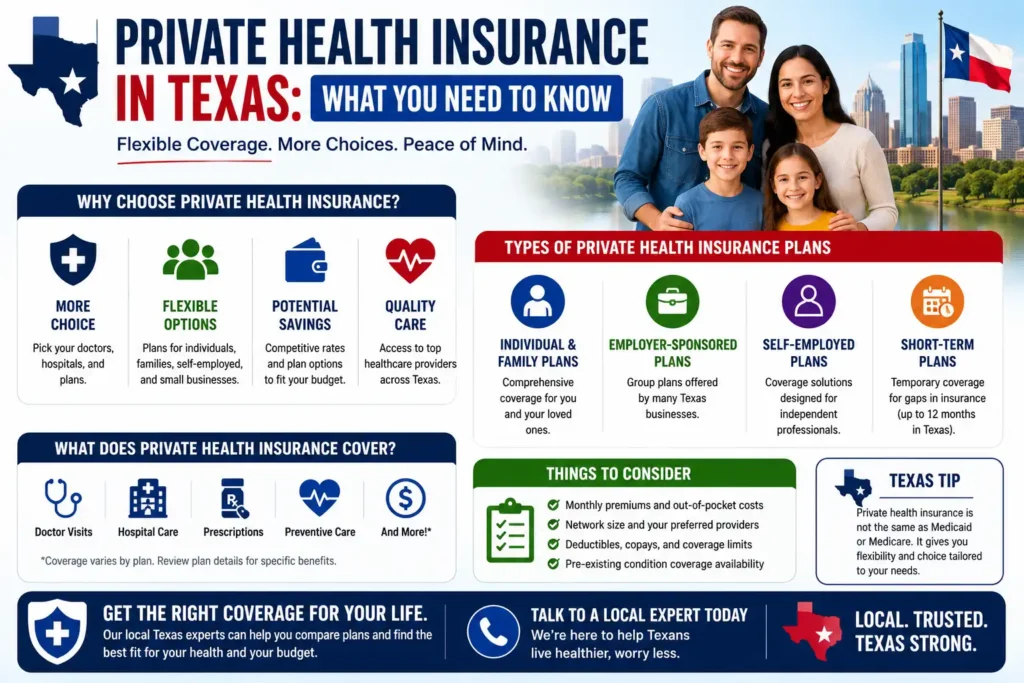
Private health insurance is bought directly from companies. You pay monthly premiums and choose your coverage. Public health insurance is government-funded, like Medicare or Medicaid, and often has strict eligibility rules.
How Can I Lower My Health Insurance Costs?
You can lower costs by choosing a plan with higher deductible, using preventive care, and checking if you qualify for discounts. Some employers offer group plans that are cheaper.
Are Pre-existing Conditions Covered?
Most private plans now cover pre-existing conditions, but some may have waiting periods or limits. Always check the policy details.
Can I Change My Plan During The Year?
Usually, you can only change plans during “open enrollment” periods. Exceptions exist for life events (marriage, birth, loss of coverage). Check your provider’s rules.
What Happens If I Miss A Premium Payment?
If you miss a payment, your coverage may pause or end after a grace period. Contact your provider immediately to avoid gaps in coverage.
Choosing the best private health insurance plan is about more than price. Consider coverage, network, extra benefits, and service quality. Take your time, compare carefully, and avoid common mistakes. With the right plan, you’ll protect your health and finances for the future.
Read More:
- Affordable Health Insurance Quotes: Save Money on Quality Coverage
- Short Term Health Insurance Online: Fast, Flexible Coverage Today
- Compare Family Health Insurance Plans: Find the Best Coverage
- Private Health Insurance UK: Top Benefits and Best Plans Explained
- Medicare Supplement Plans Comparison: Find the Best Coverage
- Medicare Prescription Drug Plans: Save More on Your Medications
- Medicare Dental and Vision Coverage: What You Need to Know
- Best Medicare Advantage Plans: Top Picks for 2024 Coverage