

Finding the right telehealth service can make a big difference when you need urgent care. Many people today want fast, safe, and reliable medical help without leaving home. That’s why telehealth services for urgent care have become so popular. These platforms connect you with doctors and nurses through your phone or computer, helping with common illnesses, minor injuries, and even prescriptions.
But not every telehealth provider is the same. Some offer 24/7 service, others are best for families, and a few stand out for their affordable prices or broad insurance coverage. If you’re unsure where to start, this guide will walk you through the best telehealth services for urgent care, their key features, and tips to choose the right one for your needs.
What Makes A Great Telehealth Service For Urgent Care?
Before looking at the top choices, it helps to know what makes a telehealth service stand out for urgent care:
- Availability: Can you get help 24/7, or only during certain hours?
- Speed: How quickly can you talk to a medical provider?
- Range of Conditions: Does the service treat the issues you’re most likely to face, like colds, rashes, or minor injuries?
- Insurance and Pricing: Is it affordable, and does it work with your insurance?
- Ease of Use: Is the website or app simple, especially if you’re not tech-savvy?
- Prescriptions: Can doctors send prescriptions to your local pharmacy?
Not all providers offer the same. For example, some platforms only handle adults, while others are family-friendly. Some offer video calls, while others use chat or phone. Think about what matters most to you before making a choice.
Top Telehealth Services For Urgent Care
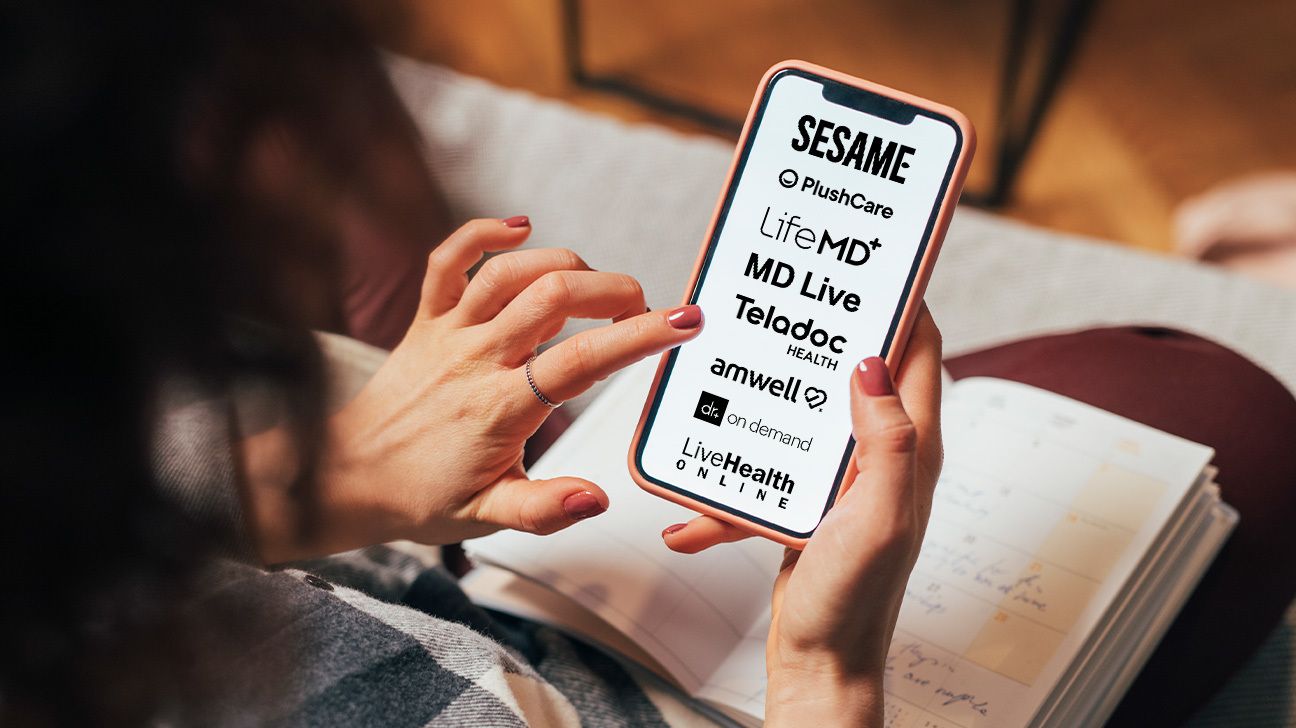
Here are the leading platforms for urgent care, each with its strengths:
1. Teladoc
Teladoc is one of the biggest names in telehealth. They offer 24/7 access to board-certified doctors for many urgent care needs. You can connect using video, phone, or app. Teladoc is known for its wide insurance acceptance, so visits can be very affordable if you have coverage.
- Availability: 24/7, including holidays
- Conditions Treated: Colds, flu, allergies, infections, minor injuries, and more
- Average Wait Time: Often less than 10 minutes
- Prescription Service: Yes, sent to your pharmacy
- Cost: $0–$75 per visit (with insurance, often much lower)
What stands out: Teladoc’s network is huge, so you rarely have to wait long. They also support mental health and dermatology, making them a solid all-around choice.
2. Amwell
Amwell is another trusted provider, with strong insurance partnerships and a user-friendly app. They cover a wide range of urgent care needs, plus specialties like pediatrics and women’s health.
- Availability: 24/7
- Conditions Treated: Cough, sore throat, pink eye, UTIs, and more
- Average Wait Time: Usually under 15 minutes
- Prescription Service: Yes
- Cost: $69 or less with insurance
What stands out: Amwell is great for families, offering pediatric care and support for chronic conditions. The app is easy to use, and many major insurers work with Amwell.
3. Doctor On Demand
Doctor On Demand offers high-quality care with a strong focus on video visits. Their doctors can handle most urgent care issues, and they also provide therapy and psychiatry if needed.
- Availability: 24/7
- Conditions Treated: Fever, skin issues, respiratory symptoms, minor injuries
- Average Wait Time: 5–10 minutes
- Prescription Service: Yes
- Cost: $75 per visit (lower with insurance)
What stands out: The video-first approach helps you feel connected. They’re also very clear about pricing—helpful if you don’t have insurance.
4. Mdlive
MDLIVE is popular for its wide range of services and transparent pricing. You can access urgent care, dermatology, and behavioral health, all from your phone or computer.
- Availability: 24/7
- Conditions Treated: Cold, flu, stomach issues, rashes, and more
- Average Wait Time: 10–15 minutes
- Prescription Service: Yes
- Cost: $82 per visit (may be lower with insurance)
What stands out: MDLIVE is a good choice for people without insurance, as prices are clear. They also have Spanish-language support, which is not common among competitors.
5. Plushcare
PlushCare connects you with doctors from top US medical schools. Their appointments are by video, and they offer same-day visits. PlushCare is a favorite for people who want ongoing care, not just a one-time visit.
- Availability: 7 days a week, extended hours
- Conditions Treated: Cold, flu, infections, allergies, minor injuries
- Average Wait Time: Often same day, sometimes within the hour
- Prescription Service: Yes
- Cost: $99 per visit (or $14.99/month subscription plus $30/visit)
What stands out: PlushCare’s subscription model is great if you plan to use telehealth often. Their doctors are highly rated, and you can see the same provider each time.
6. Sesame Care
Sesame Care is a bit different—think of it as a telehealth “marketplace.” You can pick your provider, see upfront prices, and even get lab tests or imaging if needed.
- Availability: 7 days a week, hours vary by provider
- Conditions Treated: Many urgent care needs, plus some specialty care
- Average Wait Time: Same day or next day
- Prescription Service: Yes
- Cost: Starts at $29 per visit
What stands out: Prices are lower than most, especially if you don’t have insurance. You can also book in-person visits in many cities.
7. Memd (now Part Of Walmart Health Virtual Care)
MeMD, now under Walmart Health Virtual Care, is known for its affordability and broad coverage. They offer urgent care, therapy, and psychiatry services.
- Availability: 24/7
- Conditions Treated: Most common urgent care issues
- Average Wait Time: 15 minutes or less
- Prescription Service: Yes
- Cost: $55 per visit
What stands out: MeMD is a good pick for basic urgent care at a low price, even for those without insurance. Walmart’s backing means a growing network and more features coming soon.
8. Healthtap
HealthTap is unique for its mix of live doctor visits and an extensive health Q&A database. You can talk to a doctor quickly or search through thousands of answered questions.
- Availability: 24/7 for urgent care
- Conditions Treated: Cough, fever, rash, minor injuries, and more
- Average Wait Time: 1–2 minutes (live chat), 10–15 minutes (video)
- Prescription Service: Yes
- Cost: $80 per visit, or $15/month subscription
What stands out: HealthTap’s Q&A feature is great for quick advice. The subscription includes reduced visit fees and unlimited messaging for non-urgent questions.
Comparing Key Features
Choosing the best telehealth service depends on your needs. Here’s a side-by-side look at the most important details:
| Provider | Availability | Average Wait Time | Cost per Visit | Insurance Accepted |
|---|---|---|---|---|
| Teladoc | 24/7 | <10 min | $0–$75 | Yes |
| Amwell | 24/7 | <15 min | $69 or less | Yes |
| Doctor On Demand | 24/7 | 5–10 min | $75 | Yes |
| MDLIVE | 24/7 | 10–15 min | $82 | Yes |
| PlushCare | 7 days | Same day | $99 | Yes |
| Sesame Care | 7 days | Same/next day | $29+ | No |
| MeMD | 24/7 | <15 min | $55 | No |
| HealthTap | 24/7 | 1–15 min | $80 | No |
When To Use Telehealth For Urgent Care
Telehealth is great for many non-life-threatening issues. Here are common reasons people use these services:
- Colds, flu, and sore throat
- Minor injuries (cuts, sprains, burns)
- Allergies and rashes
- Urinary tract infections (UTIs)
- Stomach problems (nausea, diarrhea)
- Ear infections
But telehealth is not for serious emergencies. If you have chest pain, trouble breathing, or signs of a stroke, call 911 or go to an ER right away.
How To Choose The Right Telehealth Service
Picking the best platform depends on your situation. Here’s how to decide:
- Check your insurance. Some services are much cheaper if you use your insurance. If you don’t have insurance, focus on platforms with low out-of-pocket costs like Sesame Care or MeMD.
- Think about your family. Need care for kids? Choose a provider that treats children, like Amwell or Teladoc.
- Look for specialties. If you want mental health or ongoing care, check if the service offers those extras.
- Consider language support. If English is not your first language, MDLIVE’s Spanish support or HealthTap’s Q&A feature might be helpful.
- Read real reviews. Look at what other patients say about wait times and doctor quality.
Common Mistakes To Avoid
When using telehealth for urgent care, beginners often make these errors:
- Not checking for hidden fees. Some platforms charge extra for prescriptions or follow-up questions.
- Ignoring technical needs. Make sure your phone or computer camera and microphone work before the visit.
- Using the wrong service for emergencies. Telehealth can’t help with serious or life-threatening problems.
- Not having your info ready. Have your medical history, current medications, and pharmacy details before the call. This saves time and helps the doctor help you faster.
Real-world Example: How Telehealth Helped A Family
Last winter, a mother noticed her son had a high fever and a sore throat late at night. Instead of waiting until morning or going to the ER, she used her Teladoc app. Within 10 minutes, a doctor spoke with her by video, checked the boy’s symptoms, and sent a prescription for antibiotics to their local pharmacy.
They picked up the medicine the next morning, avoiding a crowded urgent care clinic and saving time.
Data: Telehealth’s Growing Role In Urgent Care
The use of telehealth for urgent care has grown quickly. According to the CDC, telehealth visits increased by 154% during the first months of the COVID-19 pandemic compared to the previous year. Even as clinics reopened, millions kept using telehealth for convenience and safety.
You can read more about this trend from the Centers for Disease Control and Prevention (CDC).

What You Need For A Telehealth Visit
It’s easier than you might think. Here’s what you need:
- A smartphone, tablet, or computer with internet
- A quiet, private space
- Your medical history (allergies, medications, past illnesses)
- A way to pay (credit card or insurance info)
- Your pharmacy details (for prescriptions)
Some services also let you upload photos of rashes or injuries before your call, speeding up the process.
Table: Telehealth Vs. In-person Urgent Care
To see the main differences, compare telehealth and in-person urgent care below:
| Feature | Telehealth | In-Person Urgent Care |
|---|---|---|
| Wait Time | 5–15 minutes | 30–60 minutes |
| Cost (average, uninsured) | $30–$99 | $150–$250 |
| Hours | 24/7 (most) | Limited (often 8am–8pm) |
| Physical Exam | No | Yes |
| Lab/Imaging | Rare, but growing | Yes |
| Best For | Minor illnesses & questions | More complex injuries/tests |
Non-obvious Insights For Better Telehealth Visits
- Use the chat feature for quick answers. Many platforms let you ask simple questions by chat, without a full video visit. This can be faster and cheaper.
- Save your visit summary. After your appointment, most services give you a summary. Download or print this for your records—it can help if you visit another doctor later.
- Look for follow-up options. Some providers include a free follow-up for the same problem within a week. Always ask if this is available.
- Check if your pharmacy accepts e-prescriptions. Most big chains do, but a few small pharmacies may not. Confirm before your visit to avoid delays.
- Consider subscription services if you use telehealth often. If you have a chronic condition or a family, a monthly subscription can save a lot of money over time.
Frequently Asked Questions
What Conditions Can Be Treated Through Telehealth Urgent Care?
Most minor illnesses and injuries can be treated, such as colds, sore throat, allergies, minor cuts, ear infections, and stomach problems. Anything needing a physical exam or emergency care still needs an in-person visit.
Are Telehealth Urgent Care Visits Covered By Insurance?
Many services accept major insurance plans. Costs are often much lower with insurance, sometimes even free. Always check with your provider before booking.
Can I Get A Prescription From A Telehealth Urgent Care Visit?
Yes, most platforms can send prescriptions electronically to your local pharmacy. Controlled substances (like strong painkillers) usually cannot be prescribed online.
How Fast Can I Get Help With A Telehealth Urgent Care Service?
Wait times are usually 5 to 15 minutes. Some services even offer instant chat or video, especially outside peak hours.
Is Telehealth Safe And Private?
Reputable providers use secure, encrypted platforms. Your medical information is protected by law (HIPAA in the US). Always use well-known, trusted platforms.
Telehealth has made urgent care faster, simpler, and more accessible for millions of people. By choosing the right provider, checking costs, and knowing what to expect, you can get the care you need—often within minutes, right from your home. If you’re ready to try telehealth, use this guide to find the service that fits you best and take charge of your health with confidence.

Read More:
- Affordable Health Insurance Quotes: Save Money on Quality Coverage
- Short Term Health Insurance Online: Fast, Flexible Coverage Today
- Compare Family Health Insurance Plans: Find the Best Coverage
- Private Health Insurance UK: Top Benefits and Best Plans Explained
- Best Private Health Insurance Plans: Top Choices for 2024
- Medicare Supplement Plans Comparison: Find the Best Coverage
- Medicare Prescription Drug Plans: Save More on Your Medications
- Medicare Dental and Vision Coverage: What You Need to Know